
A Comprehensive Guide to Social Media Marketing
Social Media Marketing: What It Is and Why It Matters in 2026
Social media marketing is the practice of using platforms like Facebook, Instagram, TikTok, LinkedIn, and YouTube to promote your business, build your brand, and connect with customers.
Here’s the short version of what it involves:
- Brand awareness – Getting your business in front of the right people
- Lead generation – Turning followers into potential customers
- Customer engagement – Building real relationships that drive loyalty
- Sales growth – Converting online attention into revenue
- Data insights – Learning what your audience wants so you can serve them better
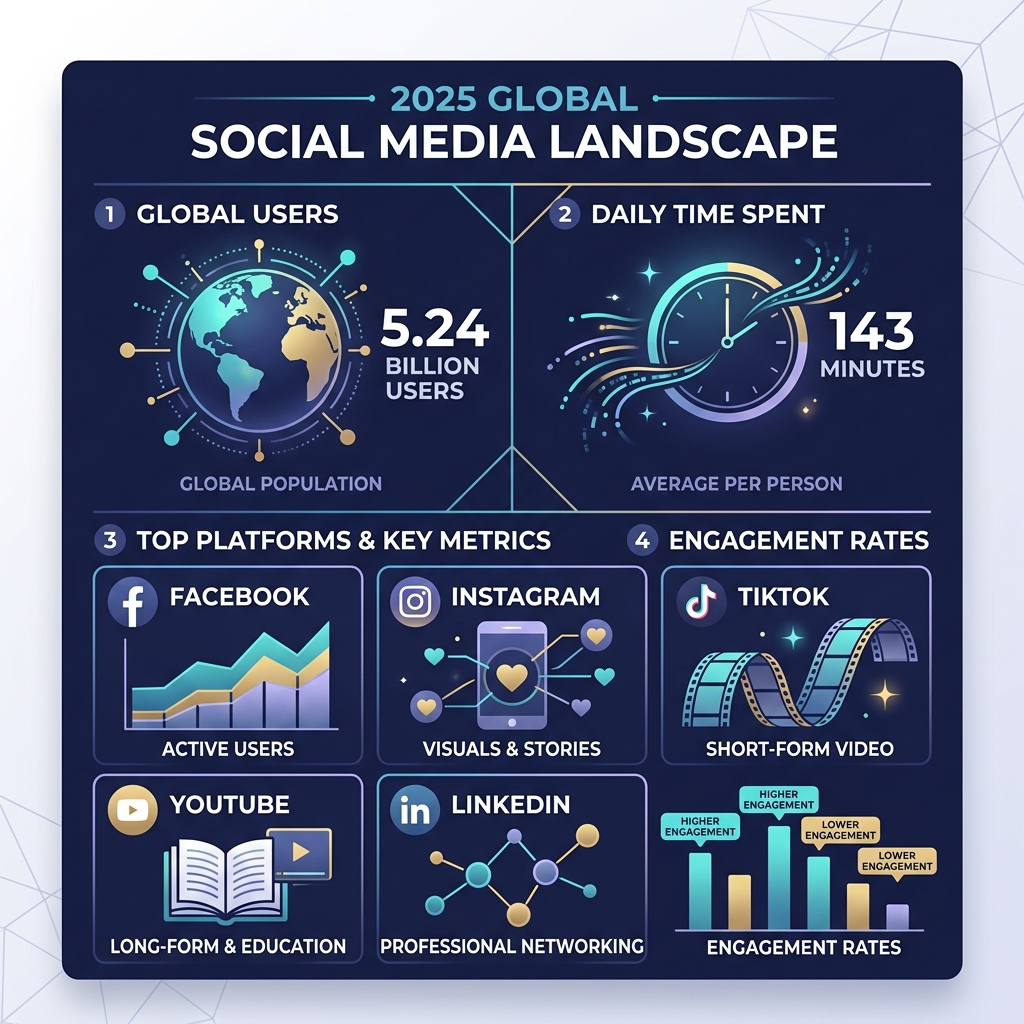
If you run a small business, this matters more than ever. There are over 5 billion social media users worldwide, and the average person spends 143 minutes per day scrolling through their feeds. That’s a massive window of opportunity — and most small businesses aren’t using it well.
The gap is real. Many business owners post inconsistently, use the wrong platforms, or create content that simply doesn’t connect. The result? Low engagement, wasted time, and no clear return.
This guide walks you through everything — from building a strategy to picking platforms, creating content, and measuring results.
I’m Gianna Heron, founder of Herow Marketing, and my background in creative direction, Wall Street finance, and brand strategy gives me a unique lens on social media marketing that blends artistic instinct with data-driven thinking. The insights in this guide come from real-world experience helping businesses in the Lehigh Valley and Tri-State area grow their digital presence with intention.
What is Social Media Marketing and Why is it Important?
At its core, social media marketing is about meeting your customers where they already hang out. In 2026, that place is online. With 5.24 billion social media users globally, these platforms have evolved from simple “digital watercoolers” into sophisticated marketplaces and search engines.
But it’s not just about the sheer number of people; it’s about the nature of the relationship. Modern consumers expect more from the companies they buy from. Research shows that 81% of people believe social media increases brand accountability. When we are active on social media, we aren’t just broadcasting ads; we are showing our audience that we are reachable, transparent, and human.
For businesses here in Bethlehem, PA, this is how we build “digital neighborhood” trust. If a customer can see your team, watch your process, and read your responses to comments, the “stranger danger” of the internet disappears.
The Business Benefits of Social Media Marketing
Why should you care about likes and shares? Because they are the breadcrumbs that lead to revenue. We’ve seen that 27.3% of users are on social media specifically to find products to buy. That number is projected to climb to over 31% by 2029.
The benefits aren’t just anecdotal; they are backed by scientific research on brand relationships, which suggests that emotional connections drive loyalty far more effectively than cold logic. By showing up in your audience’s feed during those 143 minutes of daily usage, you stay “top of mind.”
When you do social media marketing right, you get:
- Boosted Sales: You’re reaching people in a “discovery” mindset.
- High-Quality Leads: Platforms like LinkedIn allow for surgical precision in targeting.
- Cost-Effectiveness: Organic content is free to post, and even paid ads often have a lower cost-per-click than traditional search ads.
- Direct Feedback: You get a front-row seat to what your customers love (and what they don’t).
Optimizing Profiles and Brand Voice
Before you post a single Reel or Tweet, your “digital storefront” needs to be in order. We often see businesses running great ads that lead back to a confusing, half-empty profile. That’s like inviting someone to a grand opening and having the “Closed” sign still in the window.
Profile Optimization Essentials:
- Professional Imagery: Use a high-resolution logo for your profile picture and a branded cover photo that explains what you do at a glance.
- Bio Clarity: You have roughly two seconds to capture attention. Your bio should state exactly who you serve and what problem you solve.
- Consistent Voice: Are you the funny, quirky neighbor (like Dollar Shave Club) or the reliable, professional expert? Pick a lane and stay in it.
- Strategic Links: Don’t just link to your homepage. Link to your latest offer, a booking page, or a helpful resource.
Developing a Successful Social Media Marketing Strategy
Posting without a strategy is like playing darts with a blindfold on—you might hit the wall, but you probably won’t hit the bullseye. A successful social media marketing strategy is a roadmap that connects your daily posts to your long-term business goals.
We always recommend starting with audience research. You need to know your target audience deeply—their pain points, their humor, and where they spend their time. Audience research insights suggest that putting the customer’s needs before your own goals is the fastest way to grow.
Once you know who you’re talking to, set SMART goals:
- Specific: “Increase Instagram followers” is too vague. Try “Gain 500 new followers.”
- Measurable: Use metrics like engagement rate or click-throughs.
- Achievable: Don’t aim for a million followers in a month if you’re a local bakery.
- Relevant: Ensure your social goals actually help your business (e.g., more leads).
- Time-bound: Set a deadline, like “by the end of Q3.”

Steps to Refine Your Social Media Marketing Strategy
Once the foundation is set, it’s time to get tactical. We use a phased approach to ensure nothing is missed:
- Competitor Analysis: Look at what others in your niche are doing. What are they missing? That’s your opportunity.
- Content Pillars: Choose 3–5 core topics your brand will talk about. This keeps your feed focused so people know what to expect from you.
- Social Listening: Use tools like SparkToro audience software to see what your customers are talking about when you aren’t in the room. This helps you join the conversation naturally rather than forcing your way in.
Identifying and Understanding Your Target Audience
You can’t be everything to everyone. If you try to talk to “anybody with a phone,” you’ll end up talking to nobody.
We break audience identification into three categories:
- Demographics: The basics—age, gender, location (like Bethlehem, PA), and income.
- Psychographics: The “why”—their values, interests, and lifestyle. Do they care about sustainability? Are they obsessed with local history?
- User Behavior: When are they online? Do they prefer watching long videos on YouTube or scrolling fast on TikTok?
Choosing the Right Platforms for Your Business
Not every platform is right for every business. We tell our clients: “Be where your customers are, not where you think you ‘should’ be.”
| Platform | Monthly Active Users | Best For | Dominant Demographic |
|---|---|---|---|
| 3.07 Billion | Community building, B2C ads | Ages 25–44 | |
| 2.4 Billion | Visual storytelling, Influencers | Ages 18–34 | |
| TikTok | 1.58 Billion | Viral trends, Raw video | Gen Z & Millennials |
| YouTube | 2.5 Billion | Education, Tutorials | Everyone |
| 1.15 Billion | B2B, Thought leadership | Professionals 30–49 |
B2B Networking on LinkedIn
If you are a B2B company, LinkedIn is your goldmine. It is 277% more effective for lead generation than Facebook or X. On LinkedIn, people are in a “work” mindset. They are looking for solutions, networking, and industry insights. This is the place to share long-form articles, company milestones, and professional tips that establish you as a leader in the Lehigh Valley business community.
Visual Storytelling on Instagram and TikTok
For B2C brands, visual platforms are king. Instagram Reels and TikTok videos allow you to show off your personality. TikTok currently boasts a 2.65% engagement rate, the highest of any platform. The algorithm is incredibly smart—it finds people who are interested in your specific niche, even if they don’t follow you yet. This is where “viral” moments happen, but only if you are willing to be authentic.
Content Creation: Authenticity, Influencers, and UGC
Here is a secret that most “big agencies” won’t tell you: high-production, glossy commercials often perform worse on social media than a simple video shot on an iPhone.
Why? Because stock footage fails the “friend test.” When people scroll, they want to see content from people, not polished corporate entities. In one ad test, a Stock Ad had a $2.10 CPC while a Mirror Selfie had a $0.65 CPC. Authenticity is the highest-converting currency in social media marketing.
The Role of Influencers and User-Generated Content
You don’t have to create all the content yourself. In fact, you shouldn’t.
- Influencer Marketing: Partnering with someone your audience already trusts can give you instant credibility. Think of how the Barbie movie took over every feed by letting influencers lead the charge.
- User-Generated Content (UGC): This is when your customers post about you. It’s the digital version of “word of mouth.” Spotify Wrapped is a masterclass in this—every year, millions of people essentially run a free ad campaign for Spotify by sharing their music stats.
Engagement-First Growth Strategies
One of the biggest mistakes we see is the “post and ghost” method—publishing a post and then closing the app. Social media rewards social behavior.
Try an Engagement-First Strategy:
- 30-Day Commenting Phase: Before you even start posting on a new account, spend 30 days leaving thoughtful, genuine comments on 15–20 niche accounts. This signals to the algorithm that you are a valuable member of the community.
- Pre-Engagement: Spend 15 minutes engaging with your followers’ content before you hit publish on your own post.
- The 50-30-20 Rule: 50% of your content should provide value (tips, education), 30% should be curated (industry news), and only 20% should be promotional.
If you want to dive deeper into these strategies, resources like the HubSpot Social Media Certification are fantastic free ways to sharpen your skills.
Measuring Success and Avoiding Common Pitfalls
You can’t manage what you don’t measure. Every month, we provide our clients with transparent data reports because “vanity metrics” like likes don’t pay the bills. You need to look at the Social Media Metrics to Track in 2026 to see if your efforts are working.
Key Metrics to Watch:
- Reach: How many unique eyes saw your content?
- Engagement Rate: Are people actually talking back to you?
- Conversion Rate: How many people clicked the link and took action?
- ROI (Return on Investment): Is the money you’re spending on ads or content creation resulting in profit?
Avoiding Platform Restrictions and Automation Bans
The “Wild West” days of social media are over. Platforms are now very strict about how you interact.
- Automation Bans: Using bots to like or comment will get your account shadowbanned or permanently deleted. Even responding to messages too fast can sometimes trigger a flag.
- Content Policies: Always stay up to date with rules like the Reddit Content Policy to ensure your brand stays in good standing.
- Shadowbanning: This happens when your content is hidden from people who don’t follow you, usually because you’ve used banned hashtags or engaged in “spammy” behavior.
Real-World Examples of Marketing Success and Failure
We can learn a lot from the giants.
- The Win: The Wicked movie campaign used a brilliant multi-platform approach, using YouTube for trailers and Instagram for interactive Q&As. They built a community before the movie even hit theaters.
- The Fail: Gap once tried to use Hurricane Sandy to promote an online shopping sale. It was seen as insensitive and opportunistic, leading to a massive PR nightmare.
- The Lesson: Always read the room. Social media marketing happens in real-time, and being out of touch can cost you years of built-up trust.
Frequently Asked Questions about Social Media Marketing
Which social media platform has the highest engagement?
Currently, TikTok leads the pack with an average engagement rate of 2.65%. However, “engagement” looks different on every platform. On LinkedIn, a single comment from a CEO might be worth more than a thousand likes on a funny TikTok.
How do I set SMART goals for my social media campaigns?
Start with your business objective. If you want more sales, your SMART goal might be: “Generate 20 new leads from Instagram via the ‘Link in Bio’ by December 31st.” This is specific, measurable, and has a clear deadline.
What is the difference between lo-fi and stock content?
Stock content is professionally shot, generic footage you buy from a library. It often looks “too perfect.” Lo-fi content is “low fidelity”—it’s shot on a phone, usually handheld, and feels like something a friend would send you. In 2026, lo-fi content almost always outperforms stock because it feels more authentic.
Conclusion
Social media marketing isn’t just about “being online.” It’s about being present, being human, and being strategic. Whether you’re a small business in Bethlehem, PA, or a growing brand looking to reach a global audience, the rules are the same: focus on the community, lead with value, and let the data guide your next move.
At Herow Marketing, we believe in full transparency. We don’t just “post for the sake of posting.” We use a time-tested strategic playbook and provide monthly data reports so you can see exactly how your digital presence is growing. Our goal is to drive measurable growth that goes beyond the screen and into your bottom line.
Ready to stop guessing and start growing? Let’s build a strategy that actually works.