

Steal Their Strategy: The Best Brands on Social Media
Steal Their Strategy: The Best Brands on Social Media
Why the Best Brands on Social Media Are Leaving Everyone Else Behind
The best brands on social media are not just posting more — they are posting smarter, building real communities, and turning followers into loyal customers.
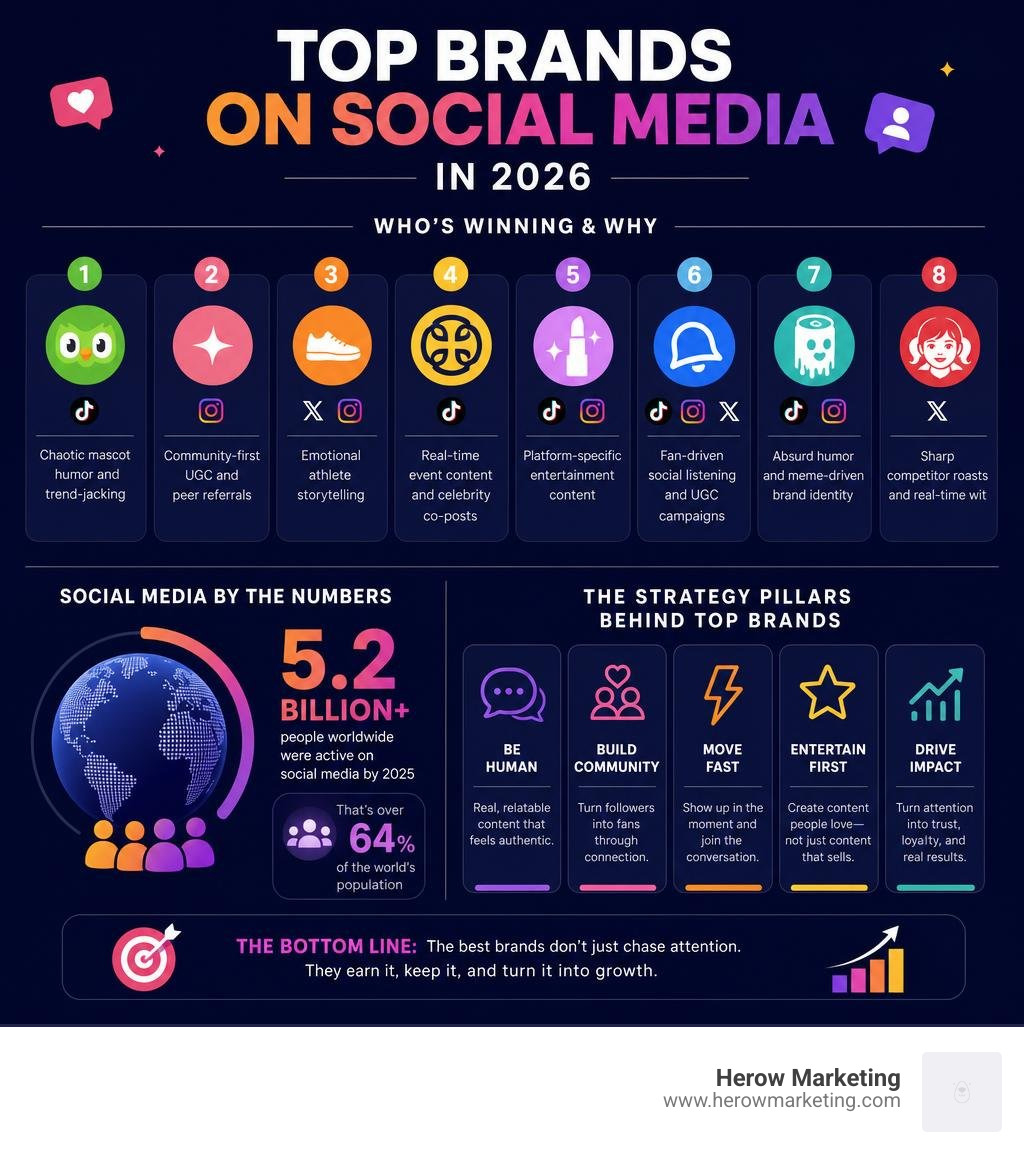
If you want a quick look at who is winning right now, here it is:
| Brand | Platform Strength | What Makes Them Stand Out |
|---|---|---|
| Duolingo | TikTok | Chaotic mascot humor and trend-jacking |
| Glossier | Community-first UGC and peer referrals | |
| Nike | X, Instagram | Emotional athlete storytelling |
| Tory Burch | TikTok | Real-time event content and celebrity co-posts |
| Charlotte Tilbury | TikTok, Instagram | Platform-specific entertainment content |
| Taco Bell | TikTok, Instagram, X | Fan-driven social listening and UGC campaigns |
| Liquid Death | TikTok, Instagram | Absurd humor and meme-driven brand identity |
| Wendy’s | X | Sharp competitor roasts and real-time wit |
Social media has crossed a massive milestone. By 2025, more than 5.2 billion people — over 64% of the world’s population — were active on social platforms. That is not a niche marketing channel anymore. That is the stage where brands either build trust or get ignored.
And yet most brands are still getting it wrong.
They post too polished. They chase trends without a point of view. They treat social media like a billboard instead of a conversation.
The brands winning right now? They think more like creators than corporations.
I’m Gianna Heron, founder of Herow Marketing — my background spans professional ballet, modeling, creative direction, and Wall Street finance, which gives me a unique lens on what it takes to build brands that perform, and I’ve spent years studying what separates the best brands on social media from the ones that just blend into the feed. Below, I’ll break down exactly what they do — and how you can steal their strategy.
Best brands on social media terms to learn:
What Defines the Best Brands on Social Media in 2026?
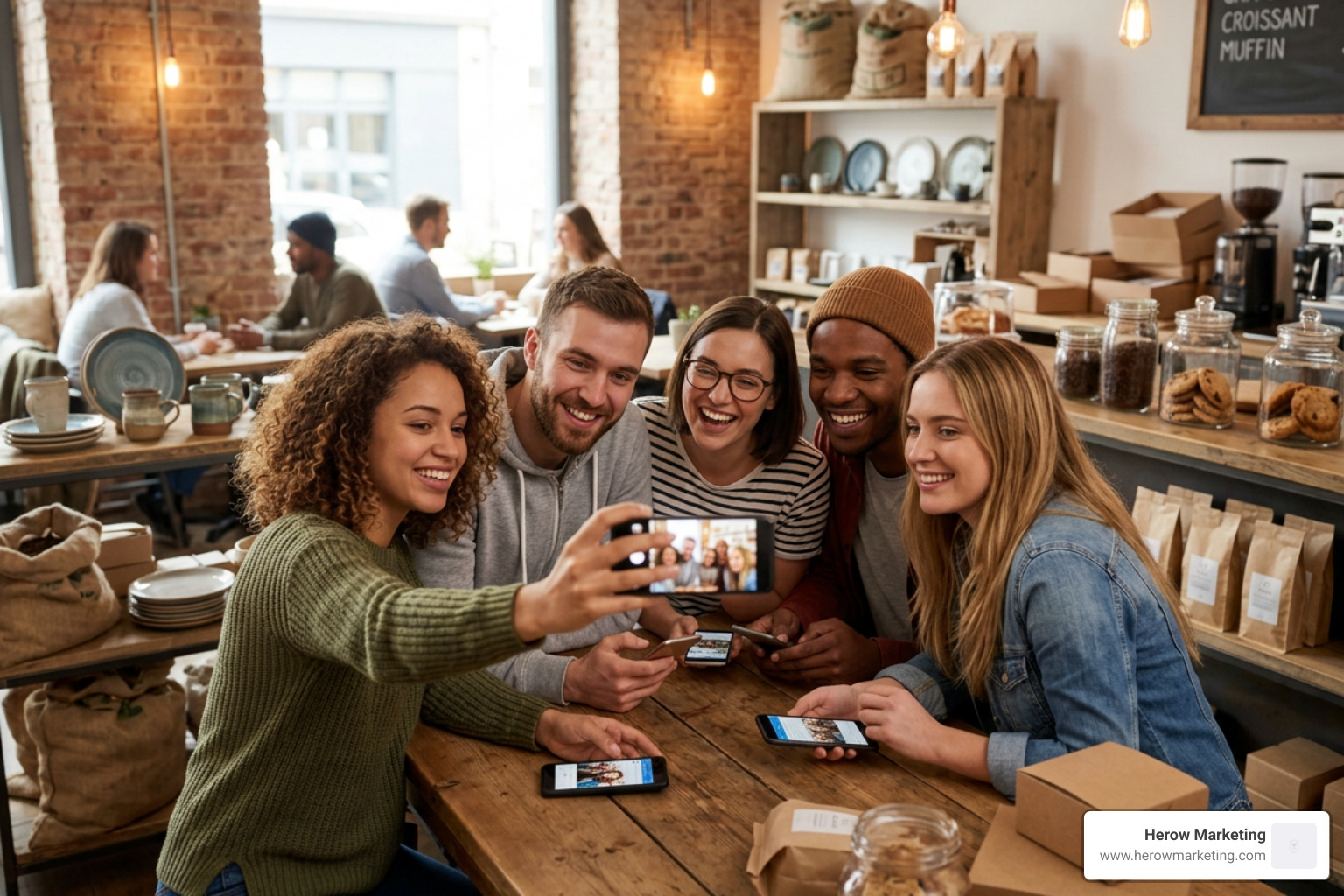
In 2026, the baseline expectation for social media has shifted dramatically. Gone are the days when simply showing up with a highly curated grid of product photos was enough to build an audience. Today, consistency and authenticity are the absolute minimum entry requirements.
So, what actually separates the average brand from the best brands on social media?
It comes down to a fundamental shift in mindset: moving from a corporate broadcasting model to a creator-first approach. The best brands do not treat their social channels as a megaphone for PR announcements. Instead, they build distinct digital “worlds” that their audiences actually want to spend time in.
To make your brand stand out, you need to focus on three core pillars:
- Original Content Over Formulas: About 46% of consumers say their favorite brands stand out on social because they post original content rather than just copying standard industry templates.
- A Highly Recognizable Brand Voice: Whether it is self-deprecating humor, poetic storytelling, or chaotic energy, the best brands have a voice that you could recognize even if their logo was stripped from the post.
- Value-Driven Consistency: They post with a reliable cadence but maintain the flexibility to react to cultural moments in real time.
If you are looking to build this kind of foundation, check out our A Comprehensive Guide to Social Media Marketing to help structure your organic presence.
Furthermore, the integration of user-generated content (UGC) has become a non-negotiable strategy for driving conversions. In fact, 82% of consumers say they would be more inclined to buy from a brand if it incorporated more user-generated content into its marketing initiatives. According to industry reports on The Best Brands on Social Media in 2026 (So Far), the companies topping the charts are those that seamlessly blend professional brand assets with real, unedited content created by their own customers.
How the Best Brands on Social Media Leverage the Creator Economy
The creator economy is no longer just a side channel for influencer sponsorships; it is the blueprint for modern brand marketing. The best brands on social media have figured out that consumers do not want to build relationships with faceless corporations — they want to connect with people.
To achieve this, top brands are shifting away from massive, overly polished celebrity endorsements and focusing heavily on strategic partnerships with niche creators and micro-influencers. Why? Because 64% of consumers say when a brand partners with their favorite influencers, they are much more willing to make a purchase.
A masterclass in this strategy comes from the Spanish luxury fashion house Loewe. As explored in this brilliant breakdown on how Loewe keeps winning on TikTok because they just get “the lore”, the brand succeeds because they do not force creators to fit into a rigid corporate box. Instead, they integrate their high-fashion pieces into existing, viral creator formats.
For instance, they partnered with creators to feature their bags in native, melancholic, or comedic TikTok styles without heavy-handed promotional scripts. By letting the creators control the creative direction, the integrations feel entirely native to the platform, capturing “the lore” of internet culture while keeping the brand’s cool factor intact.
Why the Best Brands on Social Media Prioritize Community Over Promotion
If your social media strategy is 100% focused on selling, you are shouting into an empty room. The leading brands on social media prioritize community engagement over direct promotion, recognizing that a highly engaged community is the ultimate driver of customer retention and brand loyalty.
This community-first model relies heavily on active social listening. Brands like Taco Bell have sustained viral success for over a decade by treating their comment sections as a goldmine for product feedback and campaign ideas. They actively monitor what their fans are saying, pulling video comments and customer memes directly into their broader marketing strategies.
As detailed in the analysis of the secret sauce behind Taco Bell’s sustained social engagement, the brand values “shares” as their most critical metric over simple follower counts. Why? Because a share represents active advocacy — it means a fan found the content resonant enough to pass it along to their own personal network.
To manage this level of continuous, multi-platform engagement without burning out your team, you need the right tech stack. You can discover the best platforms to streamline your community management in our guide to One Dashboard to Rule Them All: Top Social Media Tools.
Common Mistakes Brands Make on Social Media (And How to Avoid Them)
Even some of the largest companies fall into predictable traps that alienate their audiences. Recognizing these common errors is the first step to building a healthier, more resilient social presence.
- Trend-Chasing Without Relevance: Many brands jump on every trending TikTok sound or meme, regardless of whether it fits their identity. If you force your brand into a trend that does not align with your product or voice, it comes off as artificial. For example, while 69% of consumers say brands should post about major cultural events like Taylor Swift’s album releases, 44% emphasize that the content must actually be relevant to the brand’s product or service.
- Unresponsive Customer Service: Social media is the new customer support desk. Yet, 49% of users admit they only sometimes try reaching out on traditional channels when a brand is unresponsive to their outreach on social. If you ignore comments and direct messages, you are actively turning away customers.
- The Rigid Corporate Mindset: Using overly formal language, refusing to take creative risks, or requiring five layers of executive approval for a single real-time post will kill your social presence.
When a mistake does happen, it can escalate quickly. Make sure your team is prepared by reading our practical advice on How to Handle a Social Media Crisis Without Crying. And if you are looking to upskill your internal team so they can think like modern, creator-minded marketers, check out our review on Why You Should Take the Coursera Social Media Course.
5 Brands Killing It on Social Media and Their Playbooks

Now that we have established the strategic pillars of modern social media, let’s look at five real-world case studies. These companies span different industries, but they all share one thing in common: they have abandoned traditional corporate playbooks in favor of highly engaging, platform-native strategies.
To see how these tactics fit into a broader competitive landscape, you can browse through the Top 41 Brands Killing It on Instagram – Social Media Marketing for additional inspiration.
1. Duolingo: Mastering Chaotic Mascot Humor
Duolingo has completely revolutionized how utility apps approach social media. Instead of posting boring grammar tips or language facts, they turned their green owl mascot, Duo, into an irreverent, chaotic TikTok star.
- The Playbook: Duolingo’s strategy relies heavily on entertainment-first content. Duo is depicted as a slightly unhinged corporate employee obsessed with pop stars, teasing competitors in the comment section, and playfully “threatening” users who neglect their daily language lessons.
- The Result: By leaning into organic internet memes rather than fighting them, Duolingo turned a language-learning tool into a massive pop-culture phenomenon, earning over 14 million followers on TikTok and generating hundreds of millions of organic views.
2. Tory Burch: Dominating Real-Time Event Engagement
During major cultural moments like New York Fashion Week (NYFW), the competition for digital attention is fierce. While many luxury brands rely on highly polished, slow-to-publish editorial photos, Tory Burch took a different, highly agile route.
- The Playbook: The brand focused on real-time, rapid-fire TikTok video content. They conducted candid backstage interviews with celebrity attendees, model Alex Consani, and creators, publishing them almost instantly. They also leveraged strategic co-posts on Instagram with high-profile guests to tap directly into existing fan bases.
- The Result: This agile approach paid off massively. Tory Burch took first place in social engagement during NYFW, earning a staggering 3.6 million engagement score — a 119% increase from the previous season. Highlighting the power of short-form video, TikTok alone drove 83% of the brand’s total engagements. You can read the full breakdown of their success in the industry report on how Tory Burch Takes First Place in Social Engagement During NYFW.
3. Charlotte Tilbury: Tailoring Platform-Specific Content
Many brands make the mistake of “cross-posting” the exact same video file across TikTok, Instagram, and YouTube. Charlotte Tilbury avoids this by treating different platforms like “eyebrows — sisters, not twins.” Their content is complementary but carefully tailored to the unique norms of each channel.
- The Playbook: On TikTok, the brand prioritizes raw, entertainment-first content, leveraging viral audio trends (like the iconic “ludicrously capacious bag” meme paired with giant product props) to show off new launches. On Instagram, they maintain a slightly more elevated, Art Deco aesthetic, even launching separate accounts for skincare versus makeup to keep their messaging clean.
- The Result: By focusing on genuine entertainment value — measured internally through custom metrics like “Entertainment Scores” rather than just basic views — Charlotte Tilbury achieved an 8.75% engagement rate, which sits a whopping 124% above the beauty industry average. Discover more about their flawless execution in the case study on Charlotte Tilbury’s Secret to Flawless Social | Glossy.
4. Nike: Inspiring Audiences Through Storytelling
Nike has built one of the largest digital followings in the world by focusing on a timeless human element: emotional, narrative-driven storytelling.
- The Playbook: Nike rarely posts direct product pitches. Instead, their social channels are dedicated to highlighting the journey of athletes overcoming adversity. From elite professionals like Cristiano Ronaldo and LeBron James to everyday runners, Nike celebrates determination and grit.
- The Result: This focus on inspiration over product placement keeps their audience incredibly loyal. Across X (formerly Twitter), Nike maintains a 1.30% engagement rate across nearly 1,000 posts annually, driving over 73 million impressions by letting human stories take center stage. Track their real-time performance and community conversations directly on Nike (@Nike) on X.
5. Glossier: Scaling Peer-to-Peer Referrals
Long before “UGC” became a buzzword, beauty brand Glossier built its entire business model on the voices of its community.
- The Playbook: Glossier treats its customers as its primary marketing engine. They actively repost raw, unedited selfies, bathroom cabinet photos, and product testimonials from everyday users rather than relying solely on high-paid models.
- The Result: Glossier’s UGC posts receive significantly more engagement than standard promotional assets, contributing to a 20% increase in customer retention year-over-year. Astoundingly, 70% of Glossier’s sales are driven directly by peer referrals, proving that a community-first approach is highly profitable.
Key Differences: B2B vs. B2C Social Media Strategies
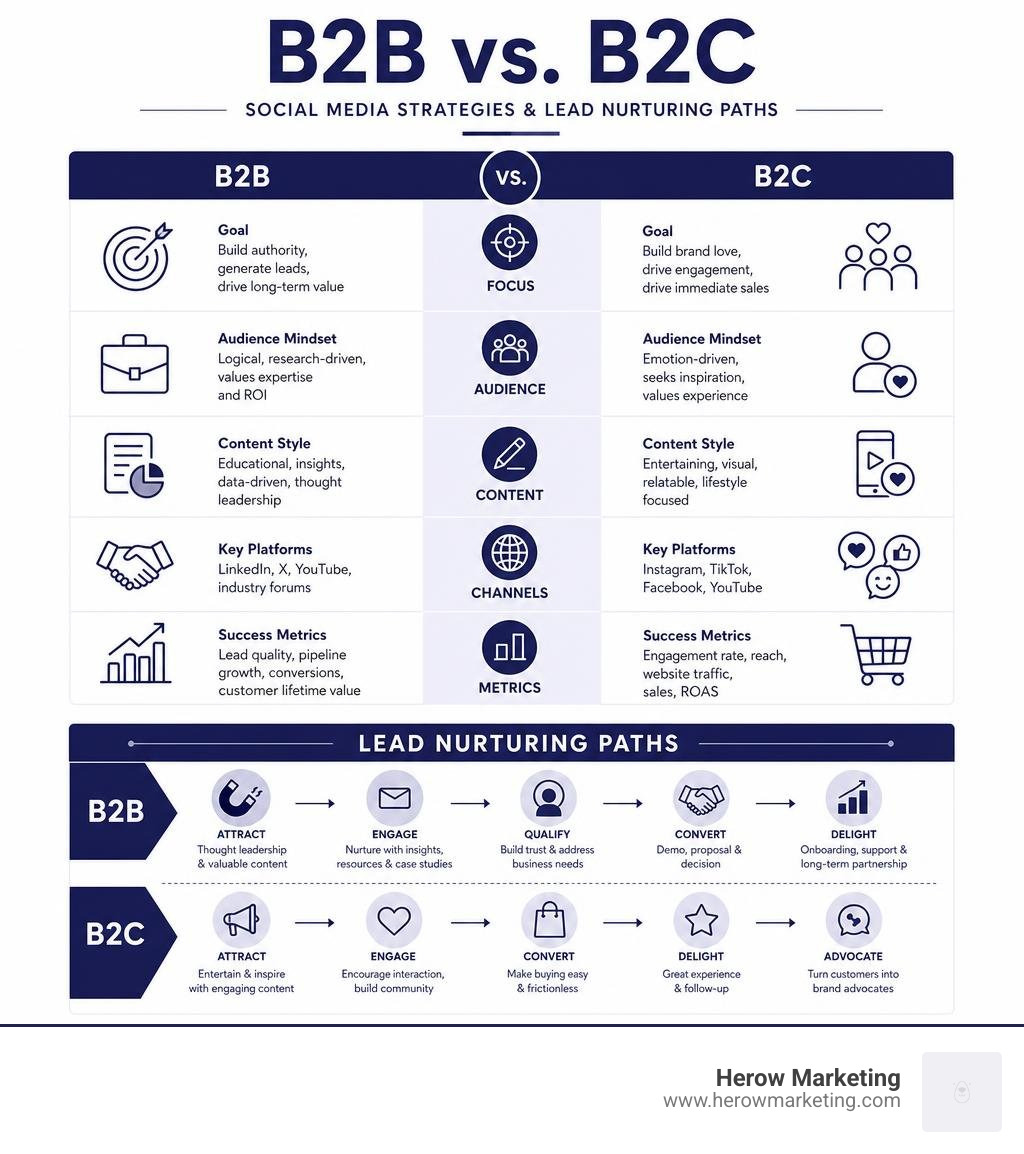
While the core principles of authenticity and strong storytelling apply to everyone, B2B (business-to-business) and B2C (business-to-consumer) brands must approach social media with different tactical playbooks. B2C brands generally focus on immediate entertainment, lifestyle aspiration, and rapid, frictionless sales. B2B brands, on the other hand, must focus on establishing authority, building professional trust, and long-term lead nurturing.
However, the best B2B brands are increasingly borrowing creative tactics from B2C creators — using memes, video content, and personal executive branding to stand out on platforms like LinkedIn.
| Strategy Pillar | B2C Approach | B2B Approach |
|---|---|---|
| Primary Goal | Direct-to-consumer sales, viral brand awareness, and lifestyle alignment. | Lead generation, industry thought leadership, and trust building. |
| Key Platforms | TikTok, Instagram, YouTube. | LinkedIn, YouTube, Twitter/X. |
| Content Style | Fast-paced, entertainment-first, highly visual, and trend-driven. | Educational, value-driven, analytical, and professional yet human. |
| Influencer Style | Micro-creators, lifestyle influencers, and brand ambassadors. | Industry subject matter experts and internal executive voices. |
| Conversion Path | Frictionless link-in-bio shopping, Instagram Shop, and promo codes. | High-value resource downloads, webinar signups, and custom consultations. |
No matter which audience you are targeting, paid amplification is often required to help your best organic content reach its full potential. To learn how to balance your organic creativity with smart, paid targeting, take a look at our expert guide on How to Manage Facebook Ads Like a Pro.
Frequently Asked Questions about Social Media Branding
What makes a brand successful on social media?
A brand succeeds on social media by combining a highly recognizable, consistent brand voice with authentic, platform-native content. Instead of treating social channels as a one-way billboard for promotions, successful brands focus on active community engagement, social listening, and leveraging user-generated content (UGC) to build real trust.
How can small businesses compete with top brands on social media?
Small businesses have a massive advantage on social media: agility. Unlike large corporations with slow approval chains, small businesses can react to trends instantly. You can compete by focusing on localized targeting, partnering with highly engaged local micro-influencers, sharing authentic behind-the-scenes content, and building genuine, one-on-one relationships with your followers in the comments.
Which social media platforms should brands focus on in 2026?
Brands should focus on platforms where their target audience is most active, but Instagram and TikTok remain dominant for consumer engagement. Instagram users spend an average of over 33 minutes daily on the platform — more than on Facebook or Reddit. To maximize your reach on Instagram, prioritize video: Reels get 36% more reach than carousels and a massive 125% more reach than single-image posts.
Conclusion
Building a social media presence that actually drives business growth is not about chasing every fleeting internet trend or copying another brand’s playbook word-for-word. It is about understanding your unique brand identity, listening to your audience, and consistently delivering real value — whether that value comes in the form of entertainment, inspiration, or education.
At Herow Marketing, based right here in Bethlehem, PA, we help businesses cut through the noise. We don’t believe in vanity metrics or generic posting schedules. Our team builds customized, time-tested strategic playbooks backed by absolute transparency. With our monthly data reports, you will always know exactly how your social presence is driving measurable business outcomes.
Ready to stop blending in and start standing out? Let’s build something incredible together. Explore our Herow Marketing Social Media Services and let’s start the conversation today.