
Building Your Empire: Essential Brand Building Sites for Growth
Why Brand Building Sites Matter for Growing Businesses
Brand building sites give you the tools, inspiration, and strategy you need to create a brand that people actually remember — and trust.
Here are the best brand building sites to know about in 2026:
| Site / Platform | Best For |
|---|---|
| Brand New | Critical reviews of brand identity work |
| The Branding Journal | Strategy resources and community networking |
| Designspiration | Visual inspiration by color or keyword |
| Looka | AI-powered logo and brand kit creation |
| Brand AI | All-in-one brand management for teams |
| uBrand | AI brand identity and social publishing |
| Brandmaven | Brand health scoring and competitive monitoring |
| BrandBuildr.ai | AI-assisted brand strategy models |
| BrandOps | Operating system for brand consistency |
| Mood boards and visual direction |
Building a strong brand is harder than it looks. You need the right inspiration, the right strategy, and the right tools — all working together. Yet 90% of businesses still struggle to stand out, and the average marketing team juggles eight separate tools just to manage their branding.
That fragmentation costs time, money, and clarity.
I’m Gianna Heron — with a background spanning professional ballet, creative direction, Wall Street finance, and digital marketing, I’ve experienced how brand building sites and the right strategy can transform a business from overlooked to unmistakable. That breadth of experience is exactly what shapes the way we build brands at Herow Marketing.
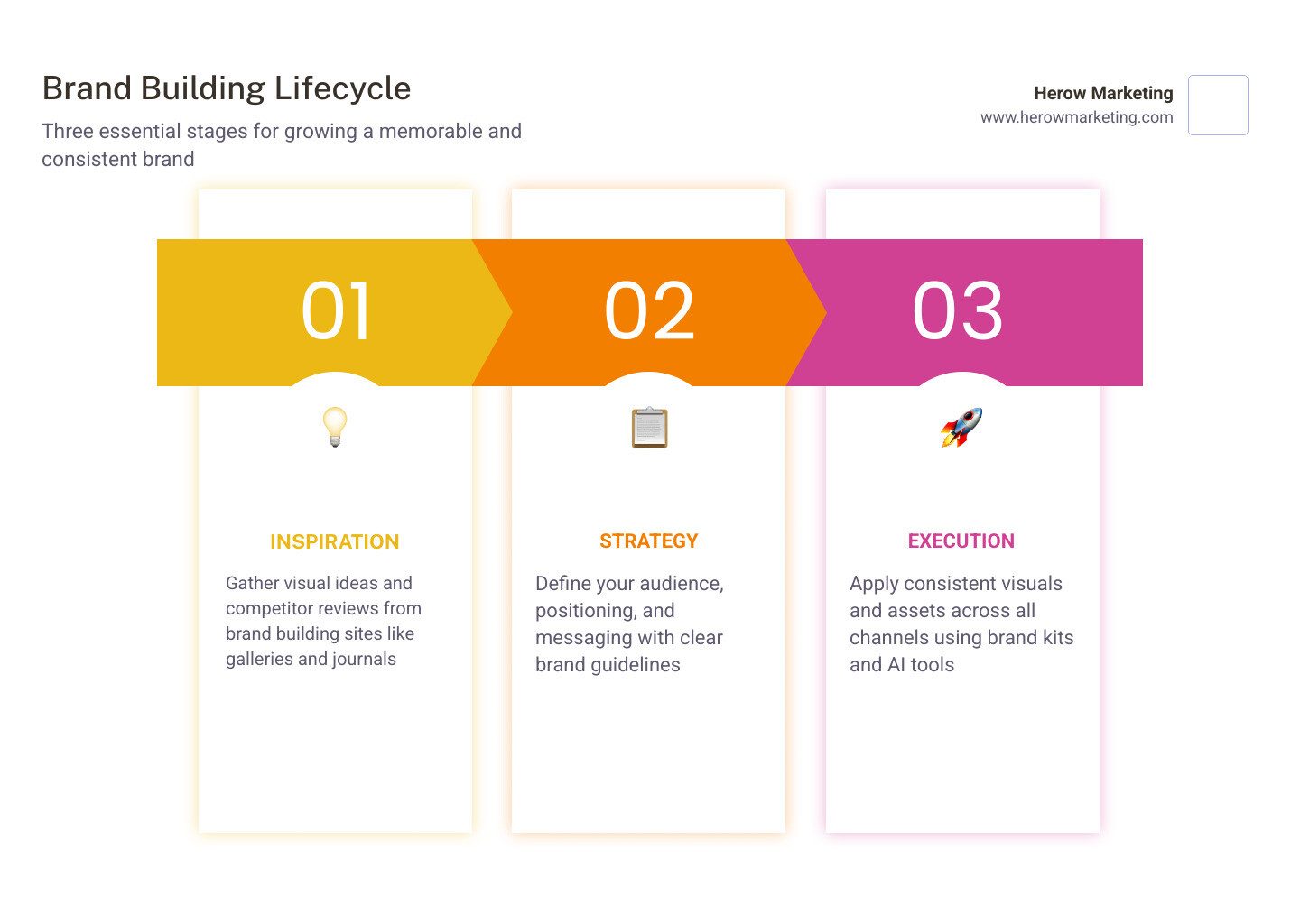
Quick brand building sites terms:
The Best Brand Building Sites for Inspiration and Strategy
When you are starting from scratch or looking to breathe new life into an existing business, finding the right starting point is crucial. There are a million standard design blogs on the web, but only a small handful focus strictly on branding and doing it well. Navigating these platforms helps you understand how visual design connects with high-level strategy.

To build a brand that stands the test of time, you must look at how leading organizations solve complex messaging and visual identity challenges. For instance, global organizations like Brand USA: Welcome showcase how large-scale, unified positioning can capture the spirit of an entire nation. On a local level, businesses in Bethlehem, PA, need that same level of strategic clarity to stand out in a competitive regional market.
Understanding the differences between platforms that offer raw inspiration and those designed for execution will save your team dozens of hours of guesswork.
| Feature / Goal | Inspiration Sites (e.g., Brand New, Designspiration) | Execution & Management Platforms (e.g., Brand AI, BrandOps) |
|---|---|---|
| Primary Use | Gathering visual ideas, tracking design trends, and reading critical analyses. | Storing brand assets, automating templates, and managing team workflows. |
| Target Audience | Designers, creative directors, and brand strategists looking for a spark. | Marketing teams, content creators, and brand managers seeking consistency. |
| Output | Mood boards, style directions, and conceptual frameworks. | Ready-to-publish social graphics, brand books, and real-time analytics. |
| Key Benefit | Keeps your creative vision fresh and prevents your brand from looking generic. | Eliminates tool fragmentation and ensures everyone uses the correct fonts, colors, and logos. |
Why Designers Love Creative Brand Building Sites
The best creative brand building sites don’t just show you pretty pictures; they dissect why a brand works.
Take Brand New (by UnderConsideration), widely regarded as the leading site for corporate and brand identity reviews. Curated with a critical eye by industry expert Armin Vit, the site offers deep, editorial reviews of branding work across seven distinct categories. It provides a masterclass in analyzing the transition from old logos to modern visual systems, giving designers the vocabulary to explain creative choices to clients.
Similarly, The Branding Journal is highly valued because it bridges the gap between clean aesthetics and brand strategy. It features over fifteen categories dedicated to brand communication, positioning, and market execution. What makes it incredibly unique is its integrated community hub, which allows designers and strategists to network, share knowledge, and discuss shifting consumer patterns.
For purely visual exploration, Designspiration functions as a highly curated, design-centric alternative to Pinterest. It allows you to search specifically by color palettes or exact terms, making it easy to build cohesive mood boards that align with your brand’s personality.
If you want to understand how a professional designer translates these inspirations into a cohesive visual language, you can read about Why Every Brand Graphic Designer Secretly Wants to Be Your Hero.
How AI-Powered Brand Building Sites Streamline Identity Creation
In 2026, artificial intelligence has completely changed how small businesses and high-growth teams approach brand development. Instead of spending months in the design phase, modern platforms allow you to launch a highly polished brand identity in minutes.
Platforms like Looka use AI to generate hundreds of custom logo options based on your stylistic preferences and industry. Once you select a baseline logo, the platform generates a comprehensive Brand Kit containing over 300 automated marketing templates — including business cards, social media profiles, and email signatures. This means you get a consistent visual system without needing advanced graphic design skills.
For experts, consultants, and service providers who want to scale their personal authority, specialized platforms like Authority Brand Builder — AI Platform for Experts offer an incredibly powerful approach. Rather than generating generic content, it allows you to build a centralized “Knowledge Brain” using your own frameworks, methodologies, client results, and unique stories.
Its seven specialized AI agents — including a Buyer Research Engine, Offer Architect, and Strategic Brief Composer — draw directly from your unique voice. This ensures that every piece of copy, presentation, or strategy outline sounds exactly like you, completely solving the problem of generic, robotic AI outputs.
Strategy, Identity, and Marketing: The Three Pillars of Branding
A common trap for young businesses is assuming that a beautiful logo is all it takes to build a brand. In reality, a logo is simply a visual anchor. To build a highly profitable business, you must understand the three distinct pillars of branding:
- Brand Strategy: The high-level planning, positioning, and goal prioritization. This is the blueprint that defines who you are, who your audience is, and how you solve their unique problems.
- Brand Identity: The concrete, tangible assets that express your strategy. This includes your logo, color palette, typography, brand voice, and messaging pillars.
- Brand Marketing: The execution of your strategy and identity to drive business outcomes. This involves running campaigns, publishing content, and building awareness across digital channels.
Without strategy, your identity has no meaning. Without identity, your marketing has no consistency. To explore this dynamic further, check out our guide on Branding Strategies for Startups: Why Your Logo Is Not Your Identity.
Defining Your Brand Strategy and Target Audience
Every great brand starts with a deep understanding of its audience. If you try to speak to everyone, you end up connecting with no one. Your target audience should not be defined by basic demographics alone; you need to understand their habits, motivations, pain points, and mindsets.
This is especially true when targeting younger demographics. Our research shows that modern consumers, particularly Gen Z, demand authenticity and alignment:
- 46% of Gen Z feel deeply connected to brands that are sustainable and demonstrate strong ethics.
- 21% of Gen Z prioritize brands that are completely clear and transparent about their intentions.
- 17% of Gen Z actively seek out brands that stand for something and have a clear point of view.
To turn these insights into a practical roadmap, you can follow the structured steps outlined in the Building a brand — a step-by-step guide – Adobe for Business.
Start by conducting market research and competitor analysis to map out the “white space” in your industry. Find out where your competitors are falling short, and use that insight to draft a rock-solid brand positioning statement that clearly communicates your unique value.
Crafting a Memorable Brand Identity
Once your strategy is set, it is time to build your visual and verbal identity. This is the “face” your business presents to the world. A cohesive brand identity relies on three major elements:
- Logo Design: Your logo should be simple, scalable, and memorable. It must work just as well on a tiny smartphone screen as it does on a massive highway billboard. If you are looking for talented creators to bring your vision to life, we’ve mapped out how to find them in our review of The Best Logo Designer on Fiverr Is Hiding in Plain Sight.
- Color Palette: Colors trigger immediate psychological responses. Choose a primary and secondary color palette that reflects your brand’s personality (e.g., earthy tones for sustainability, deep blues for trust and professional services).
- Typography: The fonts you select carry their own voice. Clean sans-serif fonts communicate modernity and tech-forward thinking, while elegant serif fonts evoke heritage, trust, and premium quality.
Executing and Scaling Your Brand with Consistency
The real battle in branding is not launching; it is maintaining consistency as you grow. When multiple people start creating content for your business, your message can easily become diluted.
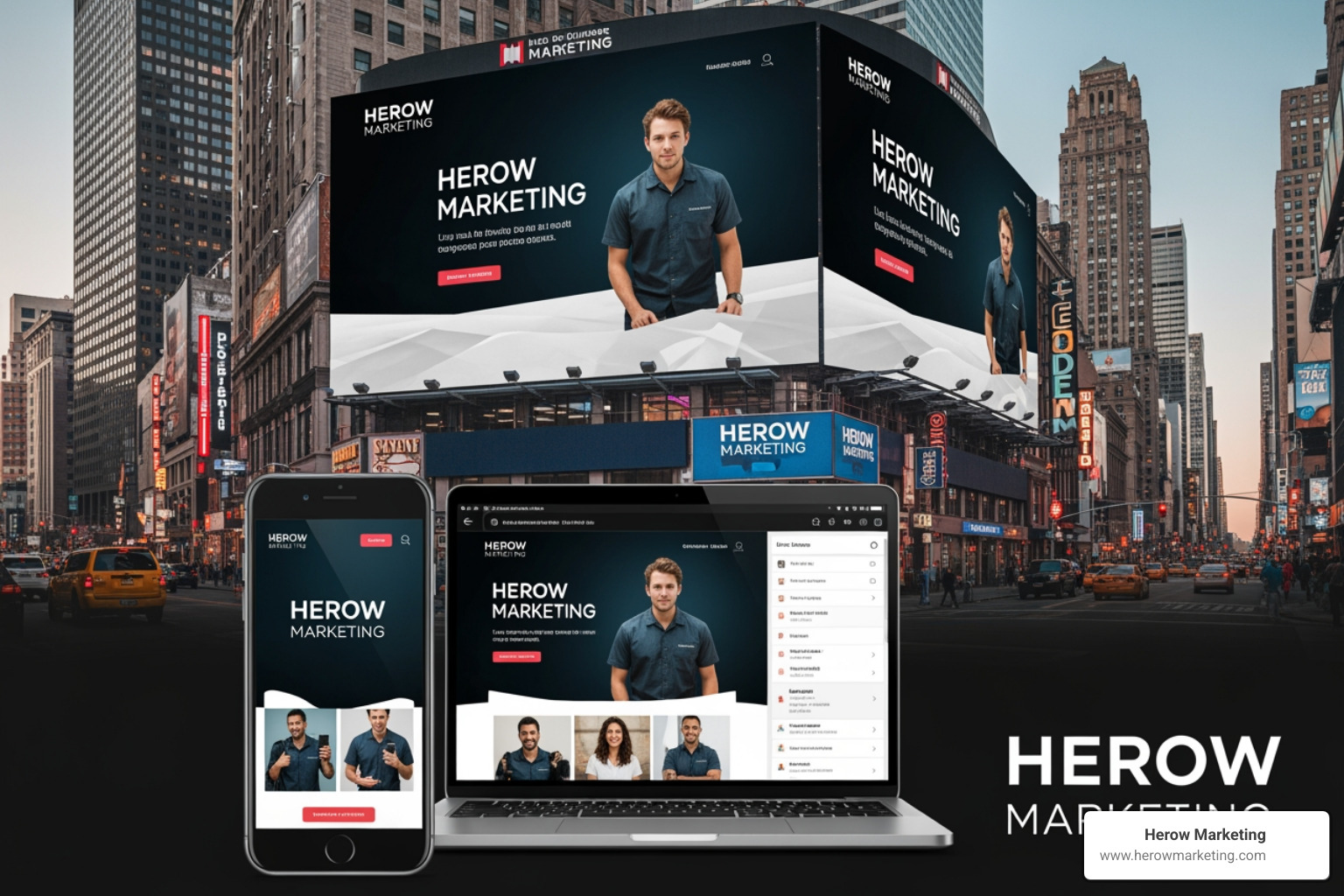
Teams without structured brand management systems often spend 4 to 6 hours a week second-guessing their colors, fonts, and messaging. This confusion slows down your marketing and weakens customer trust. To avoid these bottlenecks, you must build a centralized system where all your templates, guidelines, and assets live.
To learn how to scale your marketing efforts without losing your brand’s core identity, read The Complete Guide to Small Business Marketing.
Emotional Storytelling and Audience Connection
More than half of all customers are willing to spend significantly more money with a business if they feel a genuine emotional connection to the brand. Humans do not buy products based on features alone; they buy based on stories, shared values, and trust.
An authentic brand story should answer three core questions:
- Why do you exist? (Your origin story and the driving purpose behind your business).
- What challenges do you help your audience overcome? (Positioning your customer as the hero, and your brand as the guide).
- What is your vision for the future? (The positive impact you want to make in your industry or community).
When your brand story is rooted in authenticity, it builds a lasting bond with your audience. To see a real-world, step-by-step breakdown of how a business transforms its entire narrative and visual presence, watch this video on Building a Brand – Redesigning a Business Start to Finish – YouTube.
Knowing When to Rebrand and Measuring Success
A brand is a living asset. As your business evolves, enters new markets, or shifts its target audience, your original branding may no longer fit who you are.
Recognizing the right time to rebrand can save your business from looking outdated or misaligned. Key indicators that it is time for a rebrand include:
- A major pivot in your product or service offerings.
- A significant shift in your target audience’s demographics or values.
- Mergers, acquisitions, or expansion into new geographic regions.
- An outdated visual identity that fails to compete with newer, modern brands.
For a fascinating look at how one of the world’s most successful companies managed its visual evolution over decades, check out our analysis of Every Starbucks Logo Ever Made and Why They Changed.
Once your brand is live, you must track its health and performance over time. Modern platforms like Brandmaven allow you to track your brand performance across multiple dimensions using real-time data rather than outdated annual surveys. By monitoring your Brand Health Score, tracking competitor movements, and analyzing audience sentiment, you can make fast, data-driven adjustments to keep your brand strong.
Frequently Asked Questions about Brand Building
What are the best websites for finding branding inspiration?
The best websites for finding branding inspiration are Brand New (for critical reviews of professional identity design), The Branding Journal (for strategy, positioning, and case studies), and Designspiration (for color-based and visual search). Utilizing a mix of these sites ensures you gather both visual ideas and strategic insights.
How do AI tools help in the brand building process?
AI tools streamline brand building by automating time-consuming design and content tasks. They can generate custom logos, produce comprehensive brand kits with hundreds of marketing templates, write strategic brand stories, and maintain consistency guardrails. This allows small teams to achieve agency-level output at a fraction of the cost.
When is the right time for a business to rebrand?
The right time to rebrand is when your current brand identity no longer aligns with your business goals. Common triggers include major business pivots, shifts in your target audience, entering new markets, merging with another company, or possessing an outdated visual style that fails to stand out against modern competitors.
Conclusion
Building an iconic brand requires a delicate balance of creative inspiration, rock-solid strategy, and disciplined execution. By leveraging the right brand building sites, you can eliminate the chaos of tool fragmentation, keep your messaging aligned, and build a powerful emotional connection with your audience.
If you are looking for professional web development, search engine optimization, and branding in Bethlehem, PA, it is important to work with growth partners who understand the local landscape and can elevate your digital presence.
At Herow Marketing, we believe in complete clarity. Our USP is a time-tested strategic playbook backed by full transparency. We don’t rely on guesswork; we deliver comprehensive monthly data reports that show you exactly how your brand strategy is driving real, measurable growth for your business.
Ready to stop guessing and start scaling? Let’s build your brand empire together.